
Interest Subsidy Scheme on Education loan (ISEL) Committee
The ISEL Committee facilitates awareness and implementation of education-loan interest subsidy schemes by guiding eligible students, assisting with required documents and certificates, coordinating with concerned banks, verifying student academic details when required, maintaining beneficiary records, and supporting students in resolving procedural issues related to education-loan interest subsidy.
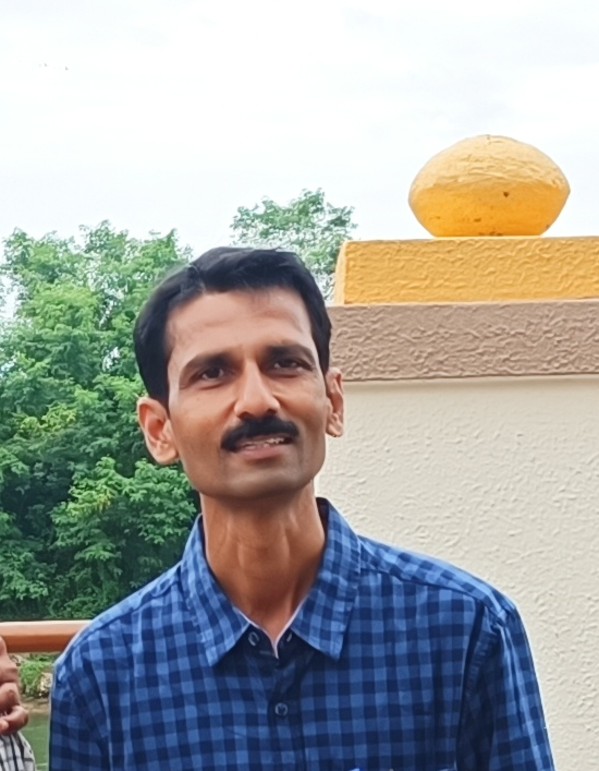
Dr. Haresh Baldevbhai Oza
Coordinator
Chemistry
Dr. Riddhi Mukeshbhai Raviya
Administrative
Administrative
BISAG (Bhaskaracharya National Institute for Space Applications and Geo-informatics) Committee
The BISAG (Bhaskaracharya National Institute for Space Applications and Geo-Informatics) Transmission Faculty Lecture Committee coordinates and facilitates the transmission and telecast of educational lectures, expert talks, training programmes, and academic sessions provided through BISAG or other authorized educational networks. The committee ensures proper communication of lecture schedules to students and faculty, arranges classrooms, smart classrooms, ICT facilities, internet connectivity, audio-visual systems, and other necessary infrastructure for smooth participation. It encourages students to attend BISAG educational programmes regularly, maintains attendance and participation records, collects feedback, and prepares reports with supporting photographs and documentation for institutional records.
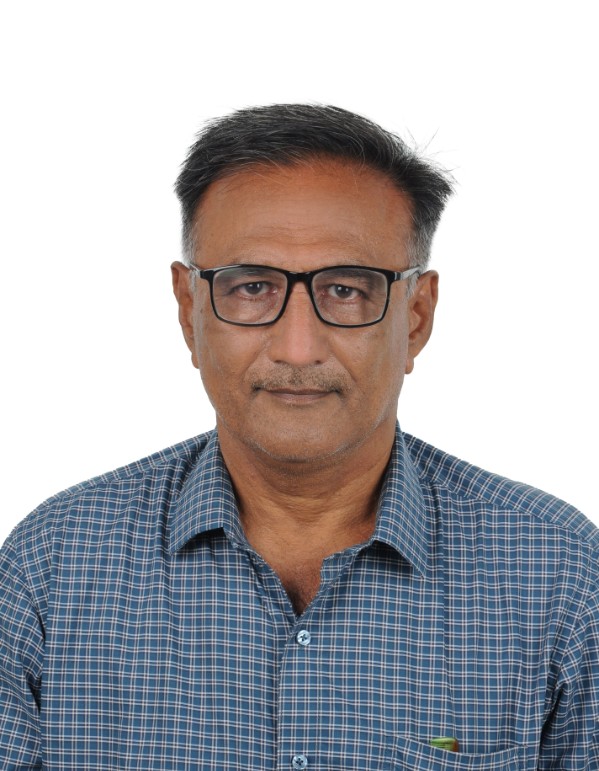
Dr. Mukeshkumar Mansurbhai Chavda
Coordinator
Chemistry
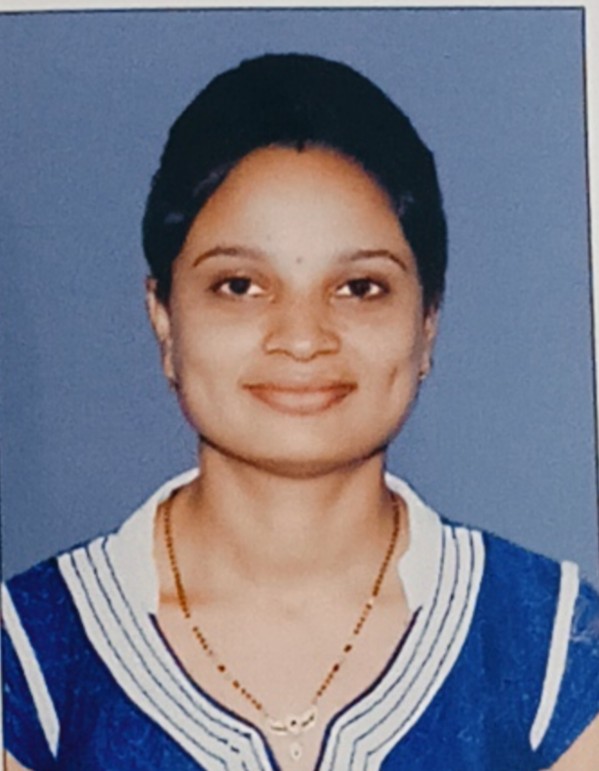
Ms. Trupti Karamshibhai Bhagiya
Member
Physics
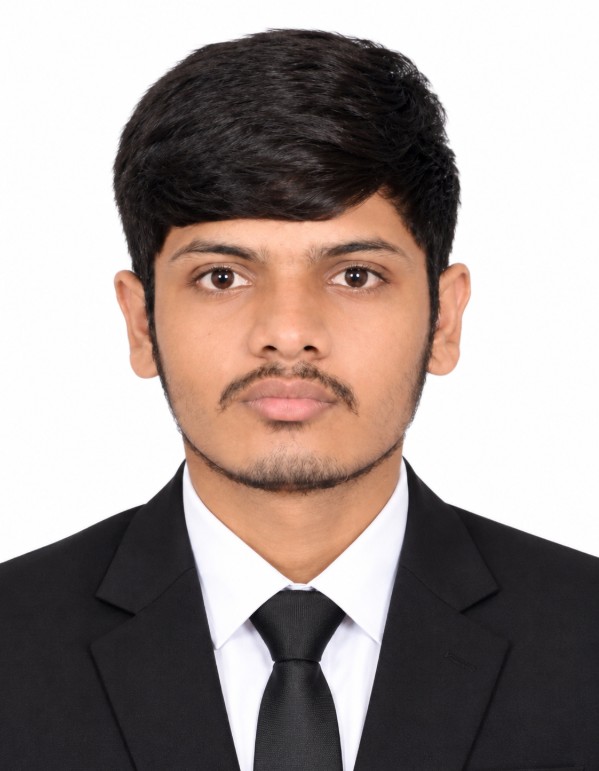
Mr. Sujal Abdulbhai Lakhani
Administrative
BCA
Vikshit Bharat initiative committee
The Viksit Bharat Committee in a science college works to create awareness and encourage active participation of students and staff in the vision of Viksit Bharat (Developed India). The committee organizes seminars, workshops, lectures, discussions, competitions, awareness campaigns, and other activities related to innovation, research, entrepreneurship, skill development, technology, environmental sustainability, social responsibility, and nation building. It encourages students to develop scientific thinking, creativity, leadership, and problem-solving abilities and motivates them to contribute to the social and economic development of the country. The committee also promotes awareness about self-reliance, digital transformation, startups, employment opportunities, sustainable development, and responsible citizenship. It coordinates with various college committees, government initiatives, industries, universities, and community organizations for relevant activities. The committee maintains proper records, photographs, attendance, reports, and outcomes of programmes for institutional documentation, annual reporting, and NAAC purposes.
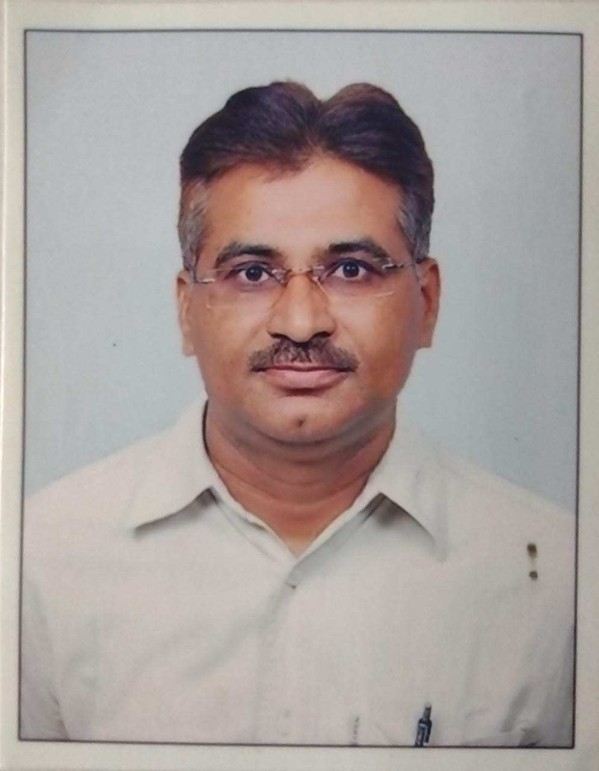
Dr. Mahendra Gaurishankar Borisagar
Coordinator
Chemistry

Dr. Jalpaben Prafulbhai Harsora
Member
Chemistry
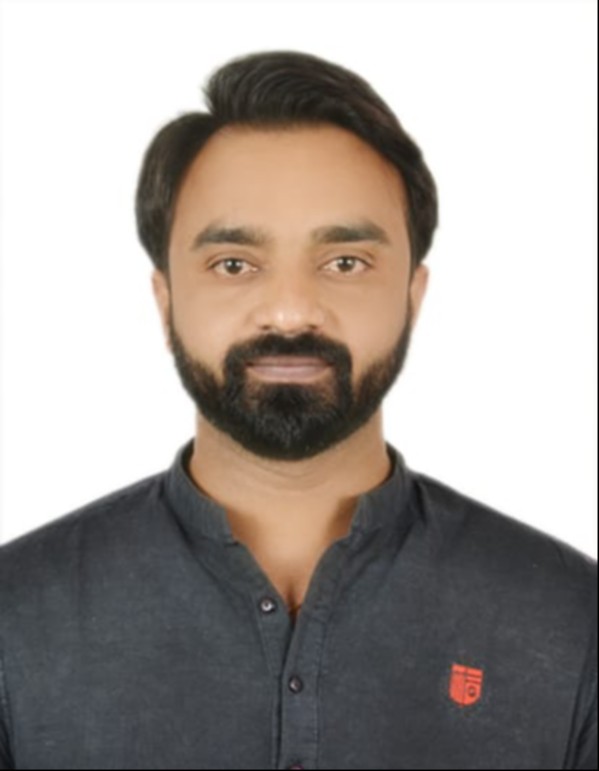
Mr. Hareshdan Pratapdan Udhas
Administrative
Administrative
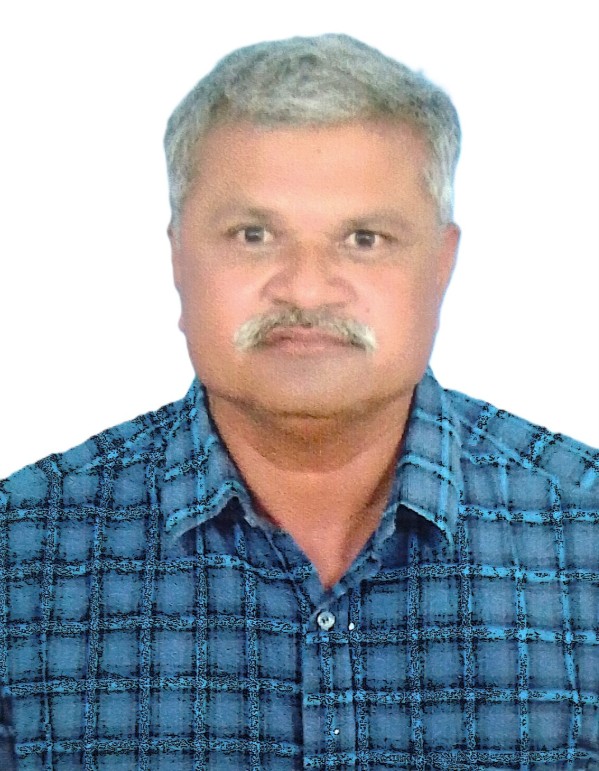
Mr. Sukhdevsinh Akhubha Jadeja
Peon
Chemistry
Unnat Bharat Abhiyan (UBA) committee
The Unnat Bharat Abhiyan (UBA) Committee in a science college works to connect the institution with rural communities and contribute to their sustainable development through knowledge, technology, and community participation. The committee identifies and adopts nearby villages and conducts baseline surveys, household surveys, and community needs assessments to understand local problems related to health, education, sanitation, water management, agriculture, environment, and livelihood. It involves students and faculty in extension activities such as health and hygiene awareness, environmental conservation, water harvesting, waste management, digital literacy, scientific awareness, and sustainable agricultural practices. The committee encourages the application of scientific knowledge and appropriate technologies to address village-level problems and promotes social responsibility, innovation, and experiential learning among students. It coordinates with local government bodies, NGOs, village leaders, and community members for implementing development activities. The committee also maintains records of village visits, surveys, activities, photographs, outcomes, and reports for institutional documentation and NAAC assessment.
Dr. Mukeshkumar Mansurbhai Chavda
Coordinator
Chemistry
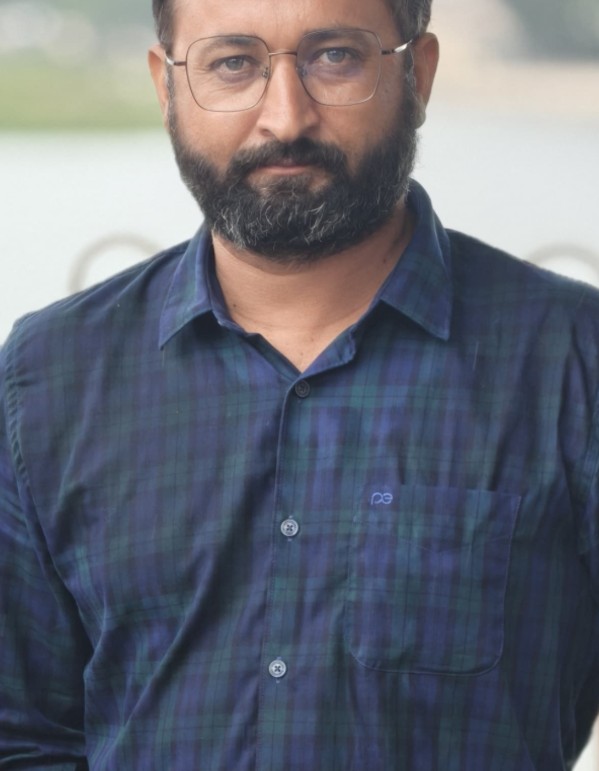
Dr. Samirkumar Ramniklal Parvadia
Member
Physical Education
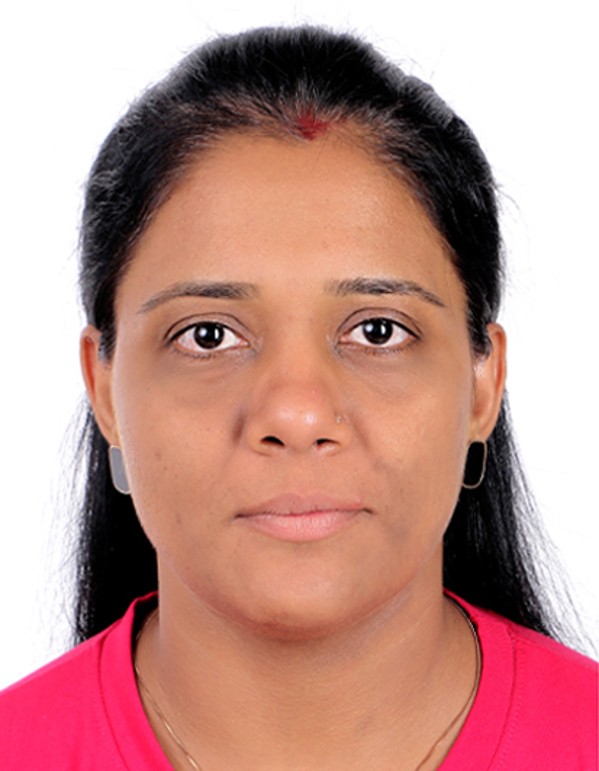
Ms. Kolasben Jayantilal Patoliya
Member
Physics
Mr. Abhijitsinh Vikramsinh Jadeja
Member/ Administrative
Administrative
Tobacco Free campus committee
The Tobacco-Free Campus Committee in a science college is responsible for creating and maintaining a tobacco-free and healthy educational environment for students, teaching staff, and non-teaching staff. The committee implements tobacco-control measures on the college campus and creates awareness about the harmful effects of tobacco, smoking, vaping, and other tobacco products. It organizes awareness lectures, poster-making competitions, rallies, pledge programmes, seminars, and health-awareness campaigns in collaboration with NSS, NCC, and other committees. The committee ensures the display of “Tobacco-Free Campus” signboards and no-smoking/no-tobacco notices at appropriate locations and monitors compliance with applicable rules. It encourages students and staff to adopt healthy lifestyles and provides information about tobacco-cessation and counselling services where appropriate. The committee also maintains records of awareness activities, photographs, attendance, reports, and compliance measures for institutional documentation, government requirements, and NAAC-related records.
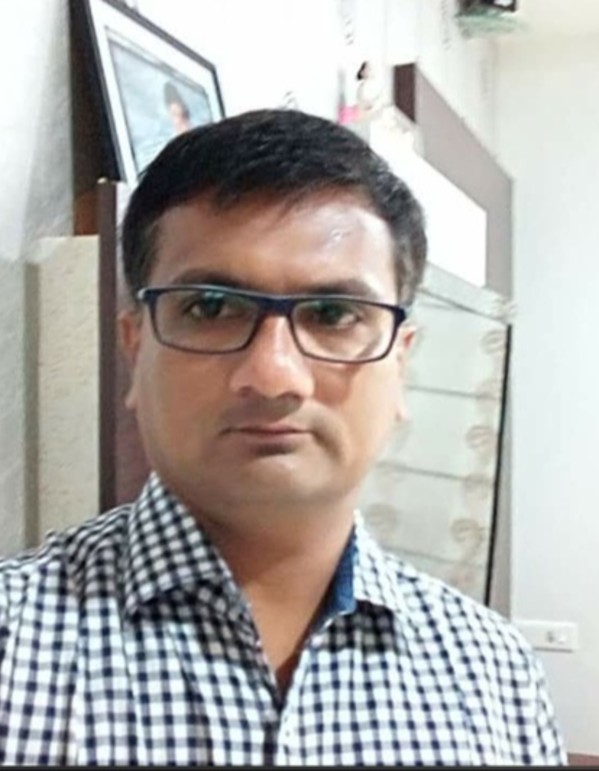
Dr. Jayeshkumar Chhaganlal Javiya
Coordinator
Chemistry
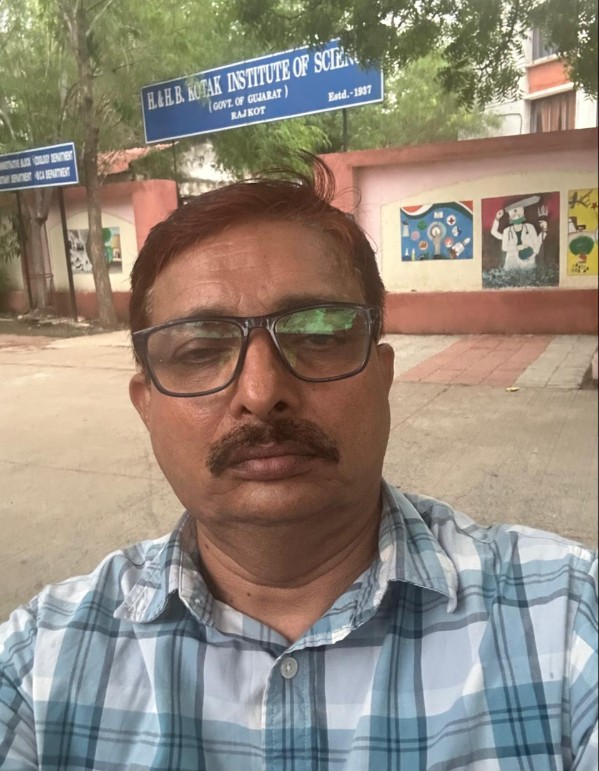
Dr. Vinodkumar Rajabhai Rathod
Member
Physics
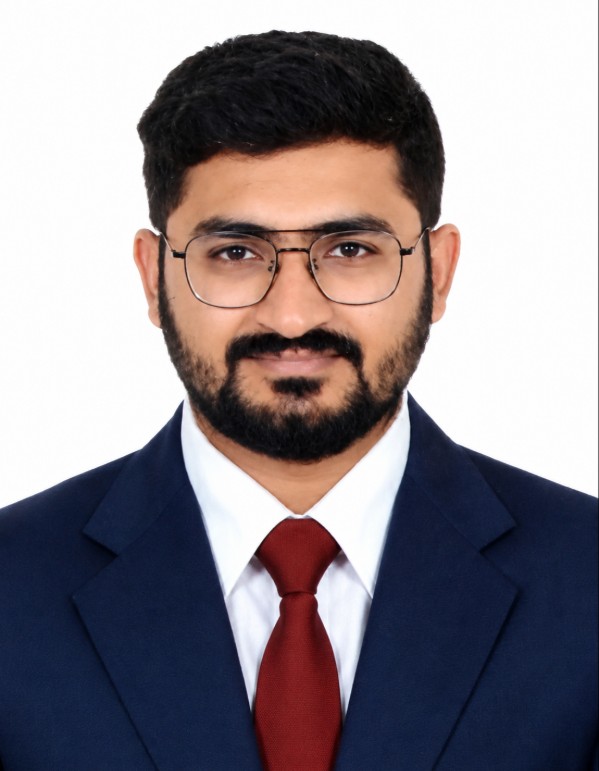
Mr. Kashyap Ghanashyambhai Rachchh
Member
Mathematics
Mr. Hareshdan Pratapdan Udhas
Administrative
Administrative
SETU Committee (sustaining equality through universities/ colleges )
The SETU (Sustaining Equality Through Universities/Colleges) Committee in a science college works to promote equality, inclusiveness, social justice, and equal opportunities for all students and staff. The committee identifies and addresses issues related to discrimination, unequal opportunities, gender equality, and social inclusion on the campus. It organizes awareness programmes, seminars, workshops, counselling activities, and sensitization programmes on equality, human rights, constitutional values, and respect for diversity. The committee encourages the participation of students from different social and economic backgrounds in academic, cultural, sports, and co-curricular activities. It also coordinates with other college committees to support disadvantaged and marginalized students, creates a safe and inclusive campus environment, maintains records of activities, and prepares reports for institutional monitoring, quality assurance, and NAAC documentation.
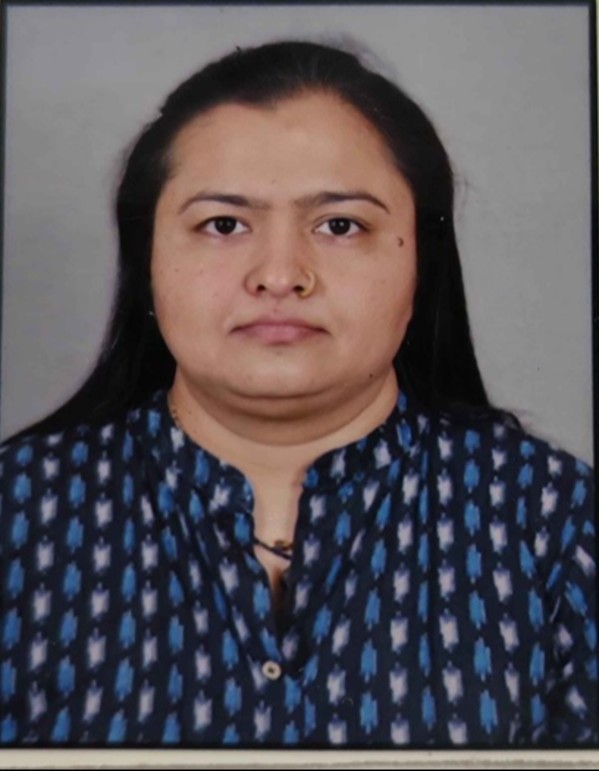
Dr. Jayshreeben Ratilal Joshi
Coordinator
Mathematics
Dr. Jalpaben Prafulbhai Harsora
Member
Chemistry
Ms. Trupti Karamshibhai Bhagiya
Member
Physics
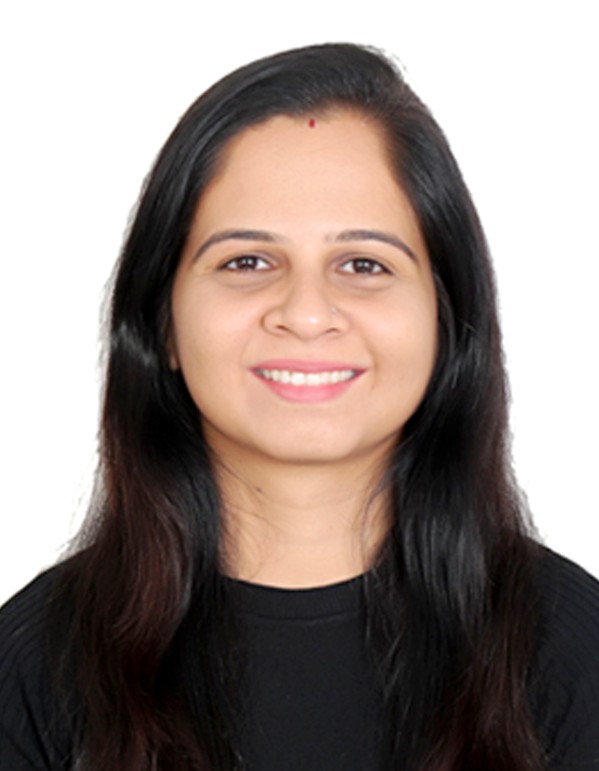
Ms. Riddhi Harsukhbhai Dekivadiya
Member
Chemistry

Ms. Krishna Rajeshbhai Vyas
Member
Administrative
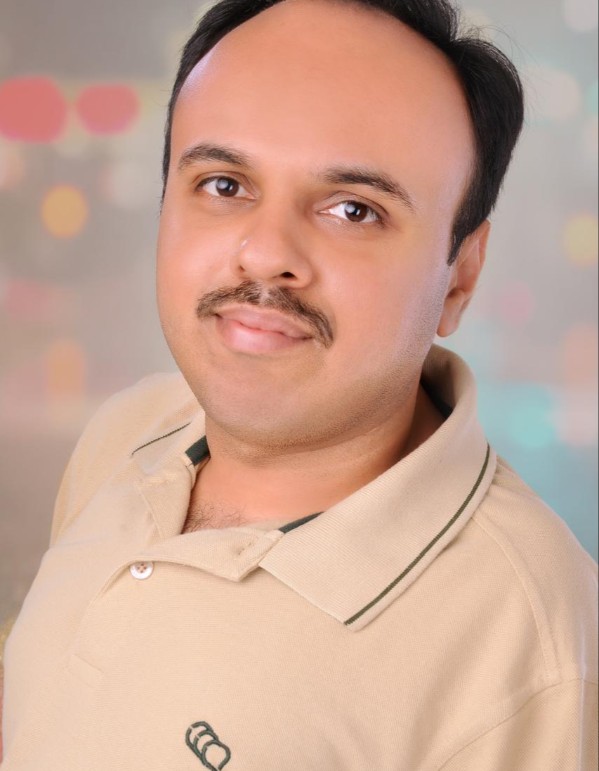
Mr. Dharmvirsingh Rohitsingh Jadeja
Administrative
Administrative
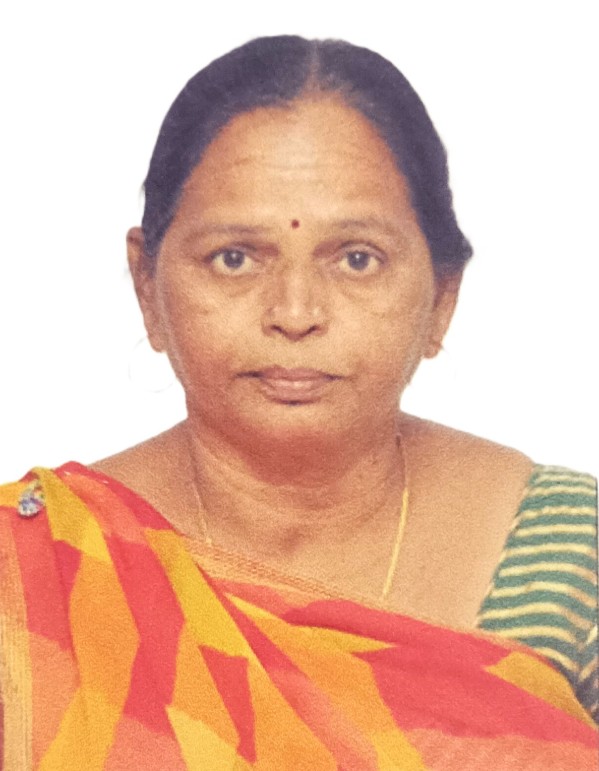
Mrs. Nitaben Dineshbhai Vaghela
Peon
Administrative
Swadesh or Atmnirbhar Bharat committee
The Swadesh or Atmanirbhar Bharat Committee in a science college promotes the principles of self-reliance, indigenous innovation, local products, entrepreneurship, skill development, and sustainable development among students and staff. The committee organizes awareness programmes, seminars, workshops, exhibitions, and competitions related to Vocal for Local, Make in India, innovation, startups, and entrepreneurship. It encourages students to develop and use indigenous technologies, scientific solutions, and locally available resources for addressing societal and environmental problems. The committee also promotes student startups, research and innovation projects, incubation activities, skill-based training, and collaboration with local industries and entrepreneurs. It motivates students to understand the importance of locally manufactured products and supports entrepreneurship and employment generation. The committee documents its activities, student participation, innovations, exhibitions, and achievements for institutional records, quality assurance, and NAAC documentation.
Dr. Samirkumar Ramniklal Parvadia
Coordinator
Physical Education
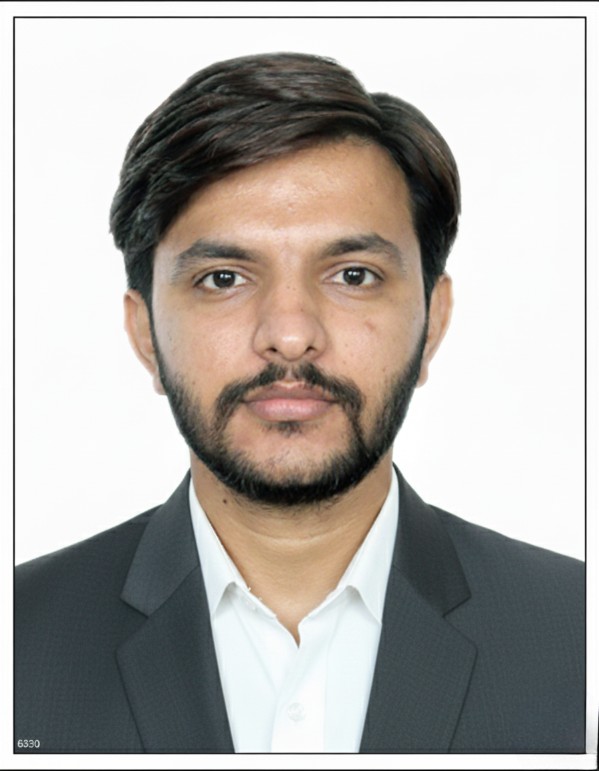
Mr. Vanaraj Devayatbhai Kagada
Member
Mathematics
Mr. Pankajbhai Karsandas Maradiya
Peon (Outsource)
Chemistry
Professor of Practice committee
The Professor of Practice Committee in a science college is responsible for facilitating the engagement of experienced industry professionals, researchers, entrepreneurs, and practitioners as Professors of Practice (PoP) in academic activities. The committee identifies suitable experts from relevant fields and coordinates their appointment in consultation with the institution and affiliating university guidelines. It ensures their effective integration into teaching-learning processes such as guest lectures, co-teaching, practical demonstrations, workshops, and skill-based training sessions. The committee helps in aligning academic curriculum with industry requirements, applied knowledge, and real-world practices to enhance students’ employability and experiential learning. It also organizes interactions between Professors of Practice and faculty members to strengthen curriculum enrichment, research collaboration, and innovation activities. The committee maintains records of their contributions, sessions conducted, and student outcomes for institutional reporting, accreditation (NAAC), and quality assurance purposes.
Dr. Mahendra Gaurishankar Borisagar
Coordinator
Chemistry
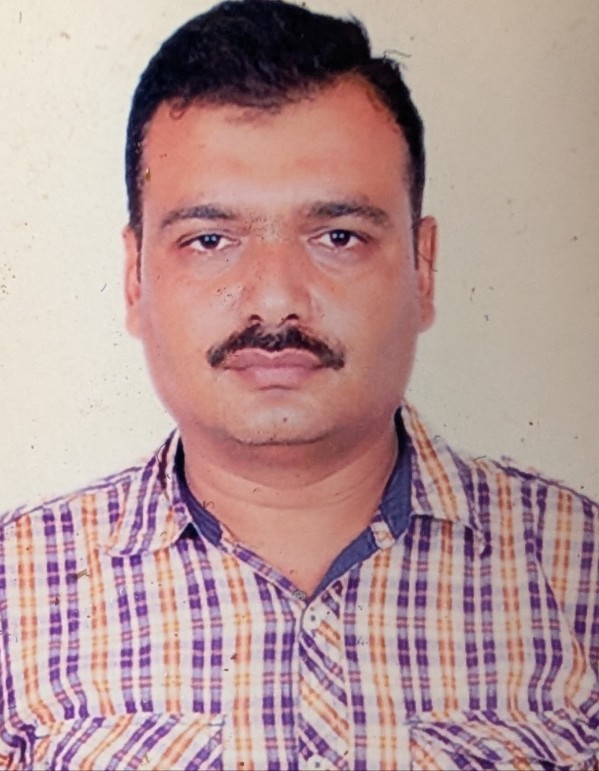
Dr. Kailashbhai Sureshbhai Pancholi
Member
Chemistry
PMIS (Prime minister internship Scheme) Committee
The PMIS (Prime Minister’s Internship Scheme) Committee in a science college is responsible for implementing and coordinating internship opportunities for students under the Government of India’s internship initiative. The committee identifies eligible students and creates awareness about the scheme, its benefits, eligibility criteria, and application procedures. It guides students in registration on the PMIS portal, filling application forms, uploading required documents, and selecting suitable internship opportunities based on their academic background. The committee coordinates with industries, organizations, government departments, and training partners to facilitate internship placements and ensure smooth communication between students and employers. It also provides support in preparing students for internships through orientation sessions, skill development workshops, and career guidance activities. The committee monitors internship progress, maintains records of selected students, internship completion status, and feedback reports. It also ensures proper documentation of internship certificates and submits institutional reports for administrative, academic, and NAAC/quality assurance purposes.
Dr. Kailashbhai Sureshbhai Pancholi
Coordinator
Chemistry
Mr. Vanaraj Devayatbhai Kagada
Member
Mathematics
Panchprakalp Committee
The Five Pillars (Panch Prakalp) 1. Corona Transmission & Vaccination Committee: The committee creates awareness among students and staff regarding prevention and control of communicable diseases, vaccination, hygiene, and public health practices. It organizes awareness programmes, vaccination drives in coordination with competent health authorities, seminars, poster campaigns, and other activities to promote responsible health behaviour and disease prevention within the college community. 2. De-addiction & Superstition Eradication Committee: The committee works to create awareness among students and staff about the harmful effects of tobacco, alcohol, drugs, and other addictive substances and promotes a healthy, addiction-free campus. It also encourages scientific temper and rational thinking by organizing lectures, awareness campaigns, discussions, exhibitions, and outreach activities aimed at identifying and discouraging harmful superstitions and promoting evidence-based understanding. 3. Environment, Sanitation & Water Conservation Committee: The committee promotes environmental protection, cleanliness, sanitation, waste management, water conservation, and sustainable practices on the college campus. It organizes cleanliness drives, tree plantation, awareness programmes, water-saving initiatives, rainwater harvesting, waste segregation, and environmental campaigns involving students and staff to develop responsible and eco-friendly campus practices. 4. Cow-based Natural Farming Committee: The committee promotes awareness and practical understanding of natural and sustainable farming practices using locally available, cow-based agricultural inputs such as Jeevamrut, Beejamrut, Panchagavya, and other organic preparations. It may organize demonstrations, farmer-awareness programmes, field visits, workshops, and student activities to encourage soil health, biodiversity, reduced chemical dependency, and environmentally sustainable agricultural practices. 5. Fit India Committee: The committee promotes physical fitness, healthy lifestyles, sports, yoga, exercise, and mental well-being among students and staff in accordance with the objectives of the Fit India movement. It organizes fitness activities, yoga sessions, sports events, fitness awareness programmes, walking or running activities, and other recreational exercises to encourage regular physical activity and develop a healthy and active college community.
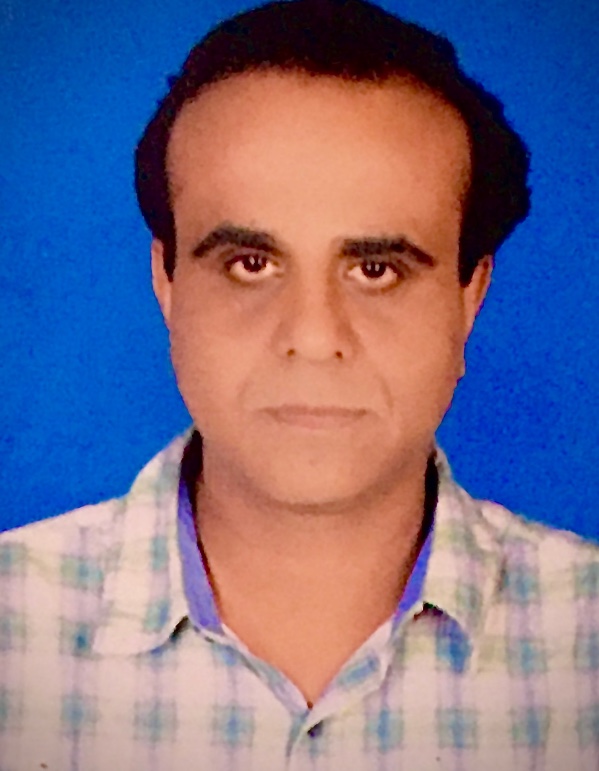
Mr. Altafkhan Hushenkhan Jalwani
Coordinator
Chemistry
Dr. Jayshreeben Ratilal Joshi
Member
Mathematics
Mr. Hareshdan Pratapdan Udhas
Administrative
Administrative
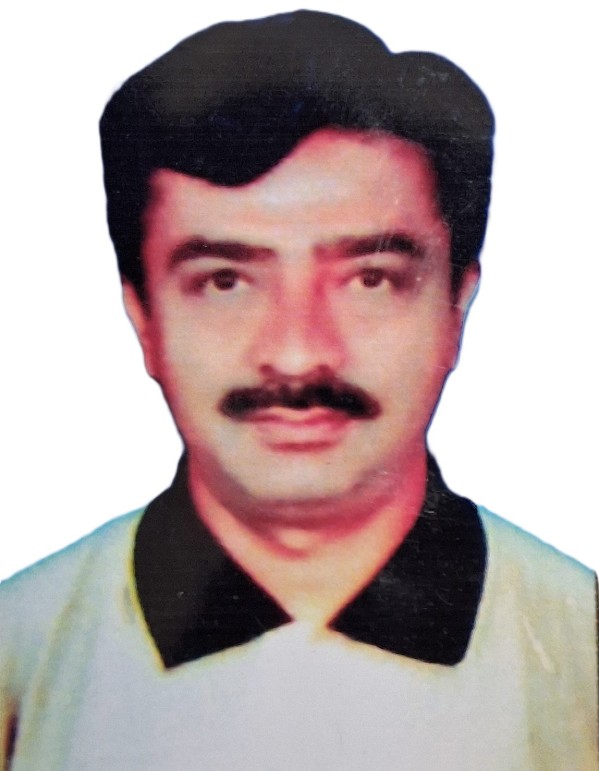
Mr. Chandubhai Sureshbhai Vala
Peon (Outsource)
Library & Information Science
Millet Mahotsav committee
The Millet Mahotsav Committee in a science college is responsible for promoting awareness about the nutritional, health, agricultural, environmental, and economic importance of millets among students and staff. The committee organizes Millet Mahotsav programmes, exhibitions, lectures, workshops, poster and quiz competitions, food demonstrations, and awareness campaigns related to different millets such as pearl millet (Bajra), finger millet (Ragi), sorghum (Jowar), foxtail millet, and little millet. It encourages students to understand the scientific aspects of millet cultivation, nutritional value, biodiversity, sustainable agriculture, and climate-resilient farming. The committee may collaborate with agriculture departments, farmers, nutrition experts, NGOs, and local organizations to conduct awareness and outreach activities. It also encourages preparation and display of millet-based food products and promotes healthy and sustainable dietary practices. The committee maintains records of programmes, participation, photographs, reports, and outcomes for institutional documentation, extension activities, and NAAC purposes.

Dr. Ilza Rahimbhai Mor
Coordinator
Botany
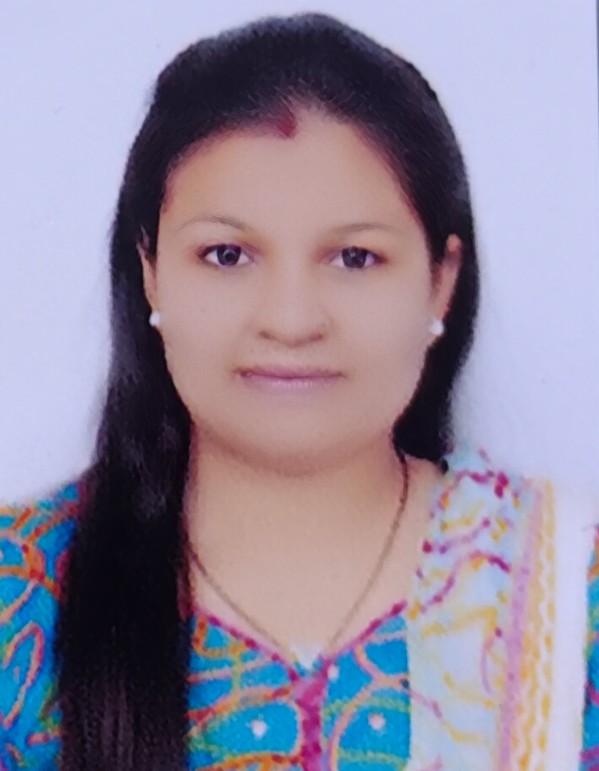
Ms. Darshana Lakhamanbhai Vasoya
Member
Botany
Ms. Riddhi Harsukhbhai Dekivadiya
Member
Chemistry
Kaushly Sahay Yojna (KSY) Committee
Kaushalya Sahay Yojana committee facilitates the implementation of the Gujarat Government’s ₹2000 financial assistance scheme (Kaushalya Sahay Yojana), ensuring that eligible students receive the benefit after successful completion of their internship. It supervises the process of data entry on the college/NEP portal, verification of internship completion certificates, and approval by faculty mentors and the principal. The committee also ensures timely submission of reports, evaluation, and credits as per academic norms. Additionally, it maintains records of student participation, monitors internship quality, addresses student grievances, and prepares reports for IQAC/NAAC documentation. The committee plays a key role in promoting experiential learning, skill development, and employability by integrating academic knowledge with real-world practical exposure in accordance with NEP objectives.
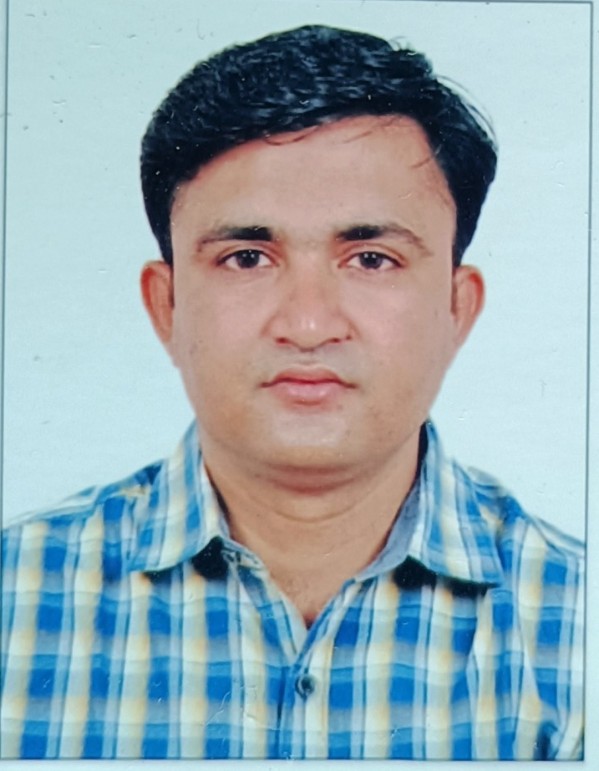
Dr. Chintan Dinkarray Jani
Nodal Officer
Chemistry
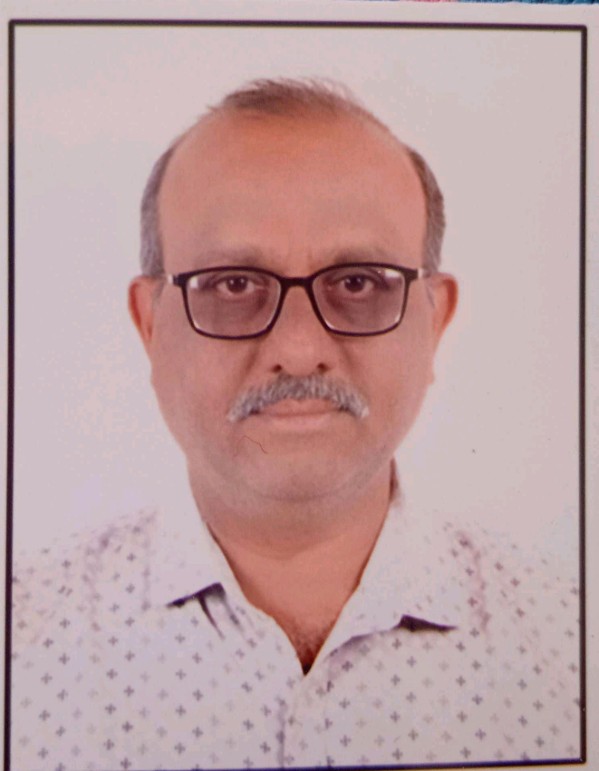
Dr. Jayesh Vrajlalal Padaliya
Member
Chemistry
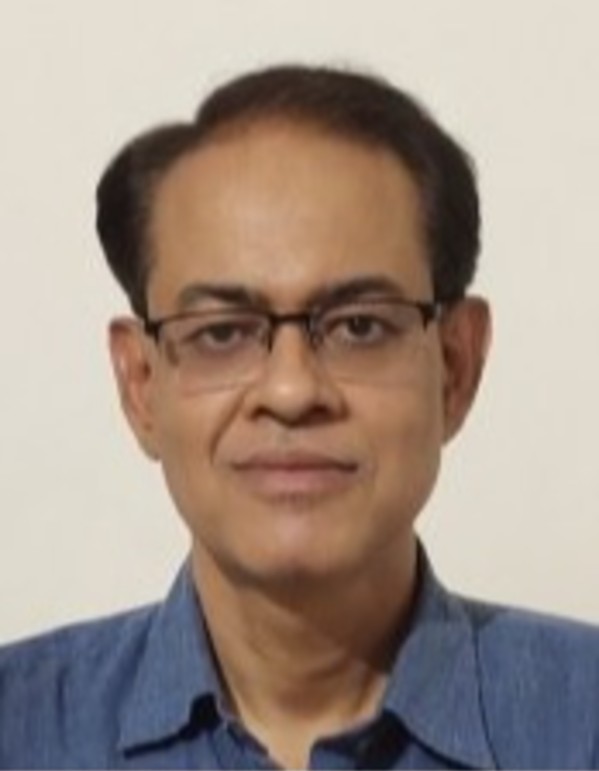
Dr. Kalpesh Hareshbhai Jani
Member
Physics
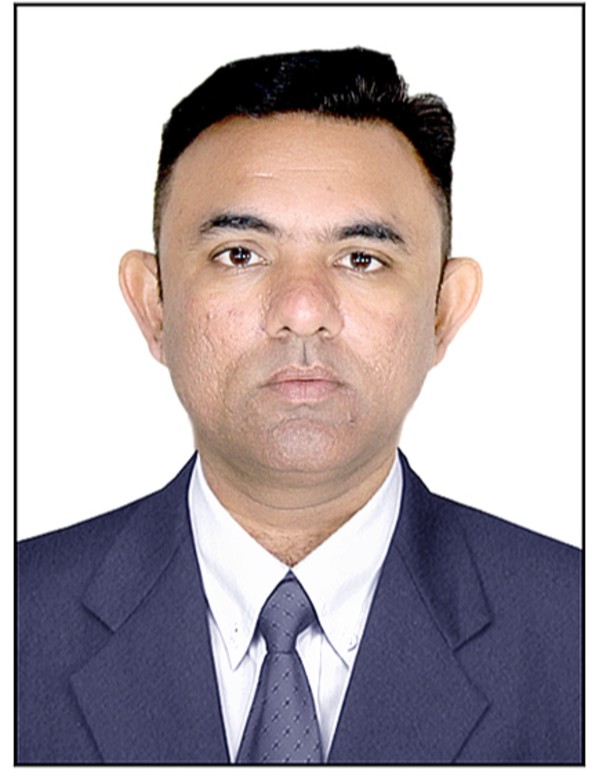
Dr. Milankumar Kantilal Kansagara
Member
Mathematics
Dr. Rutva Harshadrai Dave
Member
Botany
Dr. Mona Chandrakant Khajuria
Member
Zoology

Dr. Khyati Jinesh Mehta
Member
Statistics
Har ghar tiranga Committee
The Har Ghar Tiranga Committee in a science college is responsible for promoting patriotism, national unity, and respect for the National Flag among students, teaching staff, and non-teaching staff. The committee plans and coordinates activities under the Har Ghar Tiranga campaign, such as flag-hoisting ceremonies, awareness programmes, rallies, poster-making, essay and slogan competitions, cultural programmes, and social-media awareness activities. It encourages students and staff to participate actively in displaying the National Flag at their homes and on the college campus while ensuring that the Flag Code of India and proper flag etiquette are followed. The committee also creates awareness about the significance of the National Flag, national values, unity, and civic responsibility. It coordinates with NSS, NCC, student clubs, and other college committees for effective implementation and maintains attendance, photographs, activity reports, and other supporting documents for institutional records, government reporting, and NAAC documentation.
Dr. Vinodkumar Rajabhai Rathod
Coordinator
Physics
Mr. Vanaraj Devayatbhai Kagada
Member
Mathematics
Ms. Darshana Lakhamanbhai Vasoya
Member
Botany
Ek Bharat Shreshtha Bharat (EBSB), Azadi ka Amrit Mahotsav and Systematic Voters’ Education and Electoral Participation (SVEEP) Committee
The EBSB (Ek Bharat Shreshtha Bharat), Amrit Mahotsav and Systematic Voters’ Education and Electoral Participation (SVEEP) Committee promotes national integration, civic awareness, and democratic participation among students. The committee organizes EBSB activities such as cultural exchange programmes, language learning, and state-to-state interaction to strengthen unity in diversity. It conducts Azadi Ka Amrit Mahotsav events including lectures, exhibitions, competitions, and awareness programmes on India’s freedom movement and achievements. Under SVEEP (Systematic Voters’ Education and Electoral Participation), it creates awareness about voter registration, electoral literacy, and responsible voting through rallies, seminars, and voter awareness drives, ensuring active student participation in democratic processes.
Dr. Ajaykumar Ashvinbhai Vaishnani
Coordinator
Physics
Mr. Akram Nasimbhai Ansari
Member
Physics
Mr. Abhijitsinh Vikramsinh Jadeja
Administrative
Administrative
Disaster Management committee
The Disaster Management Committee in a science college is responsible for preparing the institution to effectively prevent, manage, and respond to emergencies and natural or man-made disasters. The committee prepares and regularly updates the College Disaster Management Plan, identifies possible hazards such as fire, earthquake, flood, chemical accidents, and electrical emergencies, and develops appropriate safety procedures. It organizes mock drills, fire-safety training, first-aid programmes, evacuation exercises, and disaster awareness activities for students and staff. The committee ensures that emergency exits, fire extinguishers, first-aid boxes, emergency contact numbers, and evacuation routes are properly maintained and displayed. It coordinates with the Fire Department, Police, Civil Defence, Health Department, NSS, NCC, and other agencies during emergency preparedness activities. Special attention is given to laboratory safety, including the safe handling and storage of chemicals and laboratory equipment. The committee also maintains records of drills, training programmes, inspections, and emergency preparedness activities for institutional documentation and NAAC purposes.
Mr. Kashyap Ghanashyambhai Rachchh
Coordinator
Mathematics
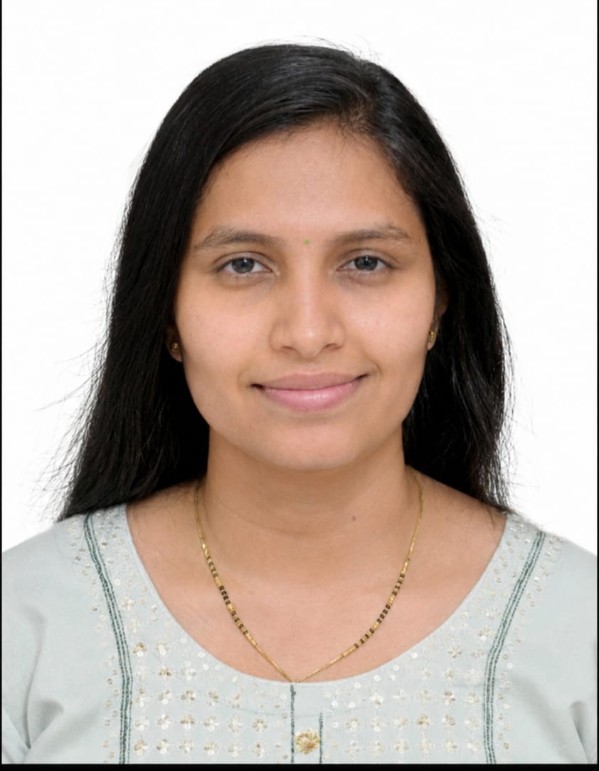
Ms. Krinabahen Mansukhbhai Patel
Member
Physics
Ms. Krishna Rajeshbhai Vyas
Member/ Administrative
Administrative
Climate Change mitigation orgnised committee
The Climate Change Mitigation Committee in a science college works to create awareness and promote practical measures for reducing the adverse effects of climate change. The committee organizes tree plantation, biodiversity conservation, energy conservation, water harvesting, plastic reduction, waste management, and campus greening programmes. It encourages students and staff to adopt sustainable practices such as saving electricity and water, reducing carbon emissions, using public transport or bicycles, and promoting renewable energy. The committee conducts lectures, workshops, awareness campaigns, poster competitions, rallies, climate-awareness programmes, and environmental surveys to develop scientific understanding of climate change among students. It also promotes carbon-footprint assessment, rainwater harvesting, composting, recycling, and energy-efficient practices on campus. The committee collaborates with NSS, NCC, Eco Club, Environmental Science departments, and local organizations for community-based environmental activities. It maintains records of programmes, photographs, participation, outcomes, and sustainability initiatives for institutional documentation and NAAC purposes.
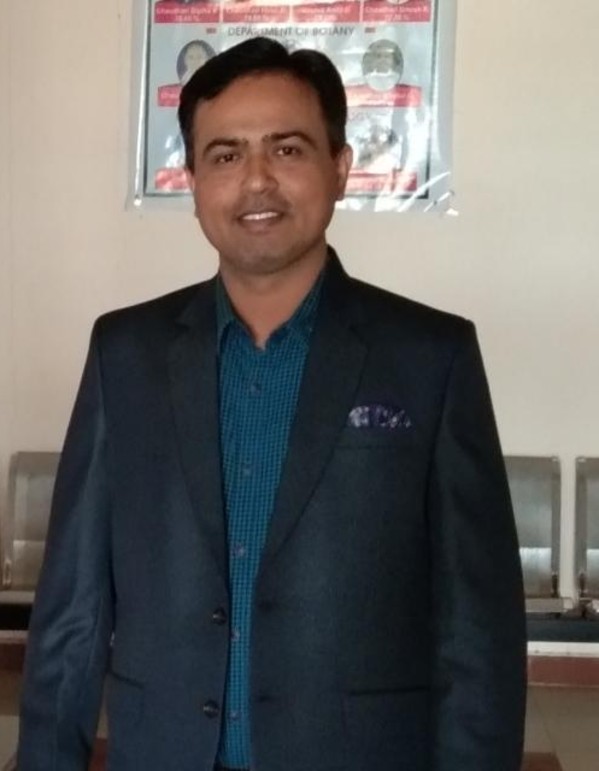
Dr. Dilipkumar Jayantilal Bhayani
Nodal Officer
Botany
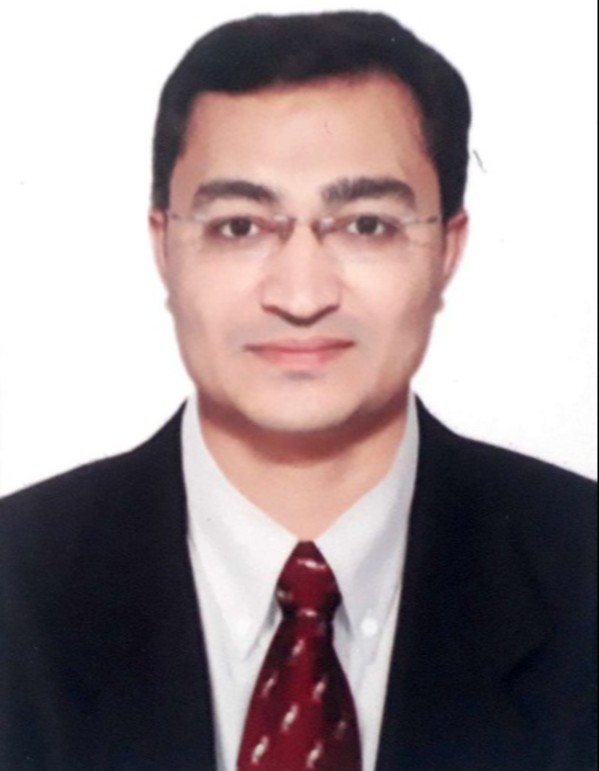
Dr. Hiten Jayantilal Kanani
Member
Mathematics
Mr. Abhijitsinh Vikramsinh Jadeja
Administrative
Administrative
Before Monsoon season action committee
The Before Monsoon Season Action Committee in a science college is responsible for taking preventive and safety measures before the arrival of the monsoon to ensure a safe, clean, and functional campus. The committee inspects the college buildings, roofs, drainage systems, classrooms, laboratories, electrical installations, roads, gardens, and other infrastructure to identify possible risks. It ensures cleaning of rainwater drains, gutters, water outlets, and surrounding areas and takes necessary measures to prevent waterlogging and flooding. The committee checks electrical wiring, switches, equipment, and laboratory safety arrangements to reduce the risk of electrical accidents during heavy rainfall. It also undertakes tree inspection and pruning of weak or dangerous branches, checks rainwater harvesting structures, and ensures proper disposal of waste. The committee coordinates with the college administration and concerned municipal/emergency authorities whenever necessary and prepares an emergency response plan for heavy rain, storms, waterlogging, and other monsoon-related situations. It maintains inspection reports, photographs, maintenance records, and action-taken reports for college safety, administrative audit, and NAAC documentation.
Mr. Akram Nasimbhai Ansari
Nodal Officer
Physics
Dr. Samirkumar Ramniklal Parvadia
Member
Physical Education
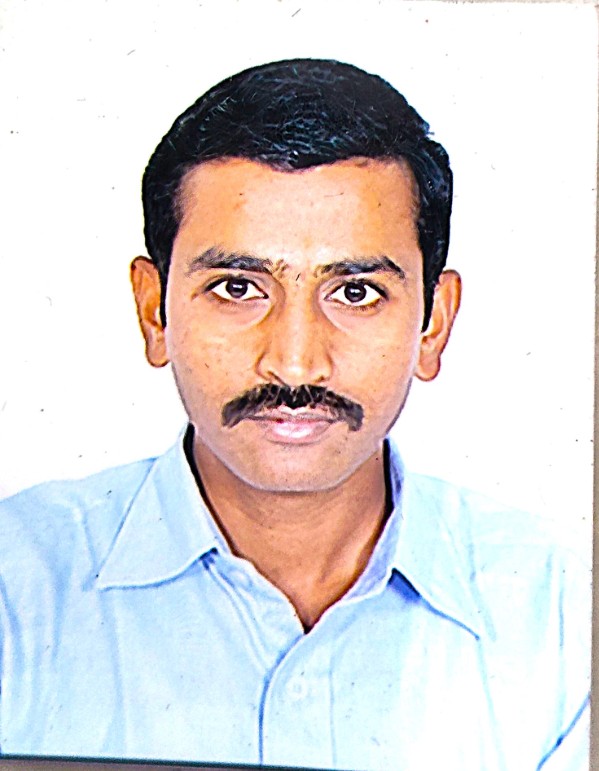
Mr. Hardik Hasmukhbhai Sareriya
Administrative
Administrative
Asset safety monitoring committee
The Asset Safety Monitoring Committee in a science college is responsible for ensuring the protection, maintenance, and proper utilization of all institutional assets such as laboratory equipment, furniture, electrical systems, ICT tools, buildings, and other physical infrastructure. The committee regularly inspects college assets to identify damage, safety hazards, or misuse and recommends timely repair, replacement, or maintenance. It ensures that laboratories are operated safely by following standard safety protocols and that students and staff use equipment responsibly. The committee also monitors fire safety measures, electrical safety, and overall campus security arrangements. It maintains records of college assets, stock verification reports, and safety audit documentation for administrative and NAAC purposes. In addition, it promotes awareness among students and staff regarding safe handling of equipment and helps in creating a secure and well-maintained academic environment in the college.
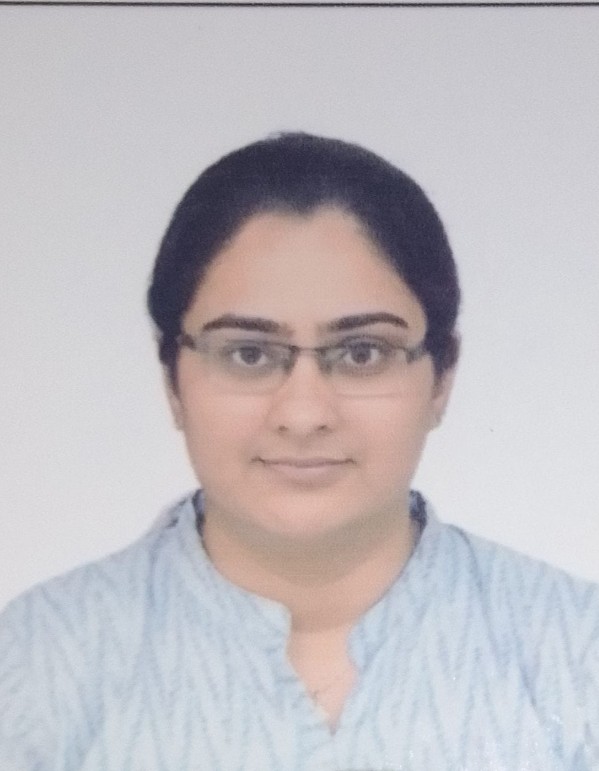
Ms. Shwetaben Pravinbhai Kanabar
Coordinator
Physics
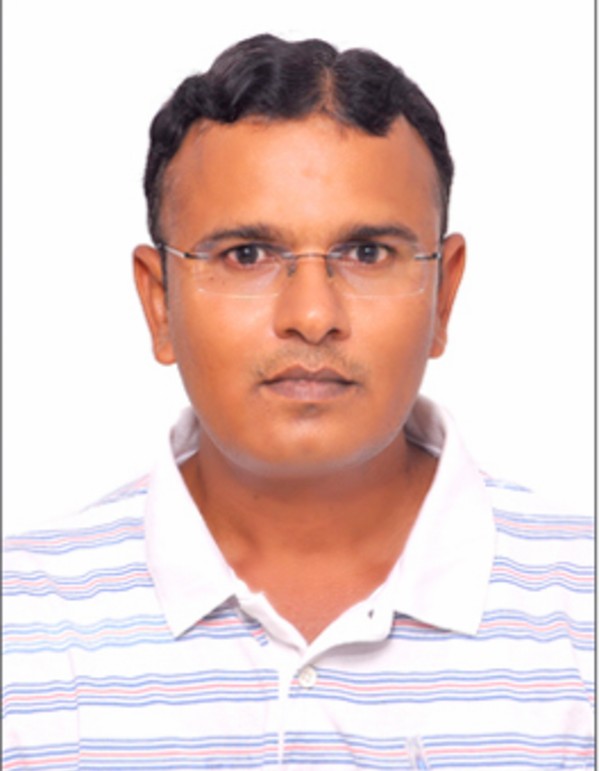
Mr. Bharatbhai Nathabhai Dhedhi
Member
Zoology
Ms. Krishna Rajeshbhai Vyas
Member/ Administrative
Administrative
Adarsh mahavidyalaya Committee
The Model Institution / NAAC-Based Funding Committee in a Science College shall coordinate and monitor all activities related to the development of the college as a high-quality model institution in accordance with Gujarat Government higher-education initiatives and NAAC quality parameters. The committee shall assess the college’s academic, administrative, infrastructure, research, student-support and governance requirements; prepare institutional development and improvement plans; coordinate with IQAC and various academic/administrative committees for NAAC-oriented documentation; ensure timely collection and maintenance of supporting records and data; identify areas requiring improvement for accreditation and quality enhancement; facilitate optimum utilization of government grants and other approved funds; monitor infrastructure and laboratory development, digital facilities, research and innovation, skill development, student welfare and placement activities; maintain transparency and proper financial records; and prepare progress reports, proposals and supporting documents for submission to the competent government, university and accreditation authorities.
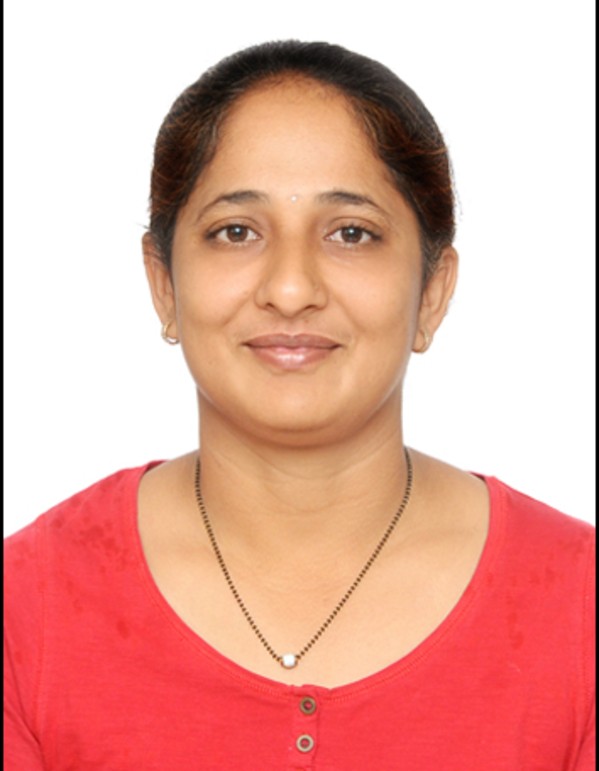
Dr. Kanak Jayeshbhai Kasundra
Nodal Officer
Library & Information Science
Mr. Hareshdan Pratapdan Udhas
Member
Administrative
Dog Bite Control Committee
The Dog Bite Control Committee in a science college is responsible for maintaining a safe and hygienic campus environment by preventing incidents related to stray dogs and ensuring appropriate action in case of dog bites. The committee identifies areas where stray dogs frequently enter or gather and coordinates with the local municipal authority, animal welfare agencies, and veterinary services for their safe and humane management. It creates awareness among students and staff about safe behaviour around stray dogs and provides guidance on immediate steps to be taken after a dog bite, including prompt medical attention and anti-rabies vaccination. The committee maintains records of reported dog-bite incidents and takes preventive measures to reduce risks around the campus. It also coordinates with the college administration for regular monitoring of campus surroundings, cleanliness, waste disposal, and other conditions that may attract stray animals.
Dr. Khyati Jinesh Mehta
Nodal Officer
Statistics
Ms. Shwetaben Pravinbhai Kanabar
Member
Physics
Mr. Dharmvirsingh Rohitsingh Jadeja
Administrative
Administrative
Water harvesting and recharge committee ( Gir ganga Parivar Trust)
The Water Harvesting and Recharge Committee in a science college is responsible for planning, implementing, monitoring, and promoting effective water conservation and groundwater recharge practices on the campus. The committee identifies suitable areas for rainwater harvesting, rooftop rainwater collection, recharge pits, recharge wells, and percolation systems and ensures their proper maintenance. It promotes the judicious use of water by students, teaching and non-teaching staff and creates awareness through lectures, campaigns, posters, and practical activities. The committee regularly checks water consumption, leakage, storage facilities, drainage systems, and rainwater harvesting structures and recommends corrective measures whenever required. It also encourages the reuse of rainwater and wastewater for gardening, plantation, and other suitable non-potable purposes. The committee maintains records of water conservation activities, prepares reports, coordinates with relevant government agencies or experts, and promotes the participation of students in water-resource management and environmental sustainability initiatives.
Dr. Jalpaben Prafulbhai Harsora
Coordinator
Chemistry
Dr. Samirkumar Ramniklal Parvadia
Co-Coordinator
Physical Education
Mr. Sujal Abdulbhai Lakhani
Member
BCA